Ingredient Intelligence
Clinical studies translated into actionable routines. We break down the molecular mechanisms behind what actually works—and why most “miracle” products are just clever marketing.
 Editor’s Pick
Retinol vs. Retinal vs. Tretinoin: The Conversion Pathway Nobody Explains Properly
Your skin can’t use retinol directly. It has to convert it—twice—before it becomes retinoic acid. Each conversion step loses efficacy. Here’s why 0.05% Tretinoin outperforms 1% Retinol, and when that actually matters.
14 min readRecent Analysis
View All Articles → Vitamin C
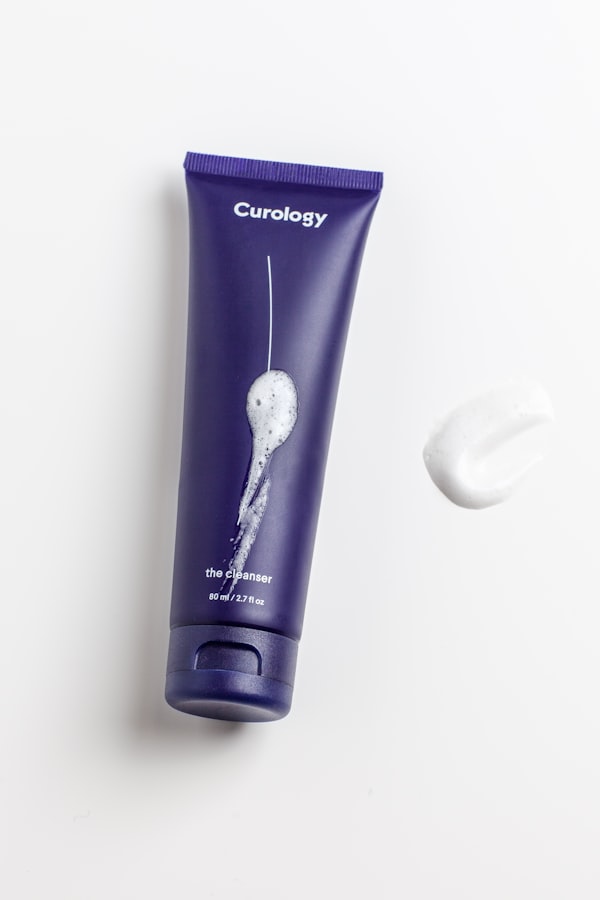
Why Your Vitamin C Oxidized (And How to Tell)
L-Ascorbic Acid at pH 3.5 in an airless pump lasts ~90 days. That dropper bottle exposed to light? Maybe 30. Here’s the oxidation timeline.
 Barrier Repair
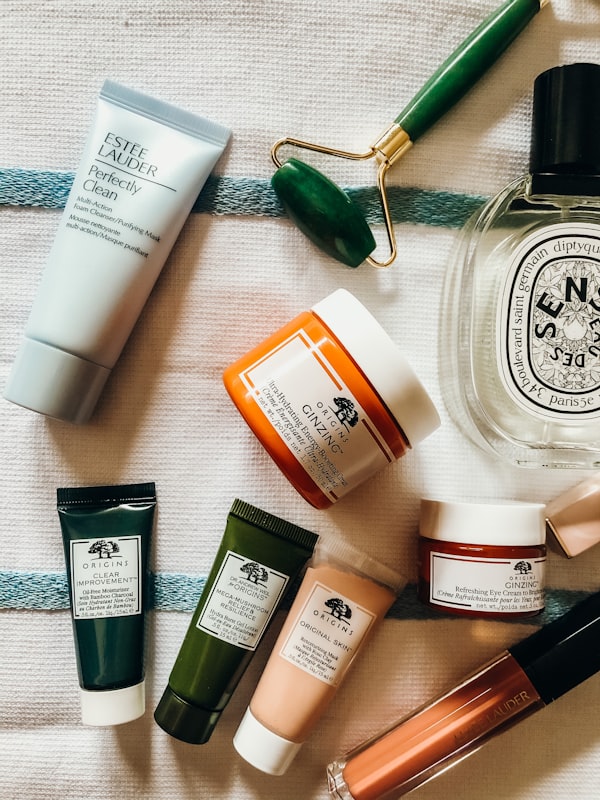
The 3:1:1 Ceramide Ratio Your Moisturizer Probably Ignores
Your stratum corneum has a specific lipid ratio. Most “ceramide” creams have ceramides at position 15 in the INCI list. That’s decoration, not function.
 Actives
5% Niacinamide Works. 10% Might Be Irritating You.
The clinical studies used 2-5%. The industry jumped to 10% because bigger numbers sell better. Here’s what the concentration research actually shows.
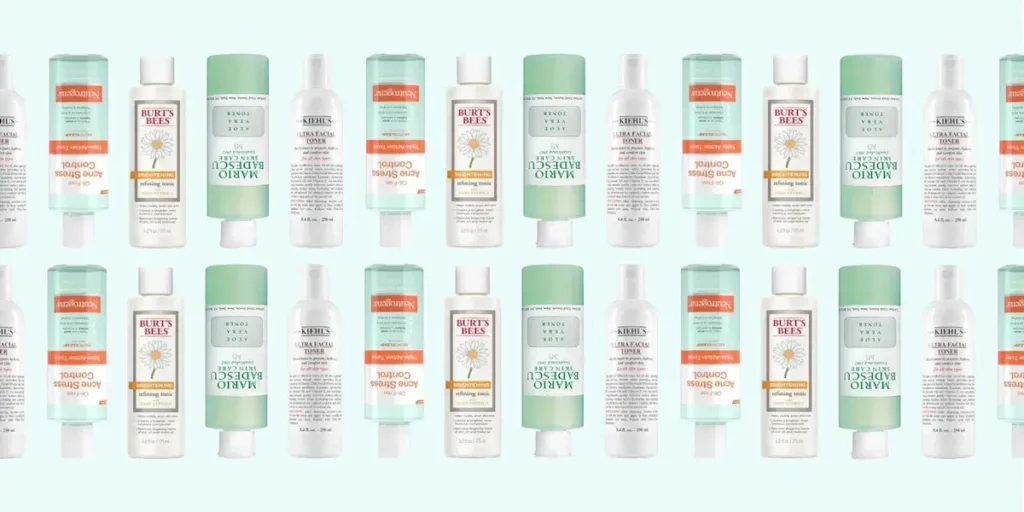
5 Best Facial Toners, Ranked by What They Actually Do to Your Skin’s pH
Home / Reviews / Toners 5 Best Facial Toners, Ranked by What They Actually Do…
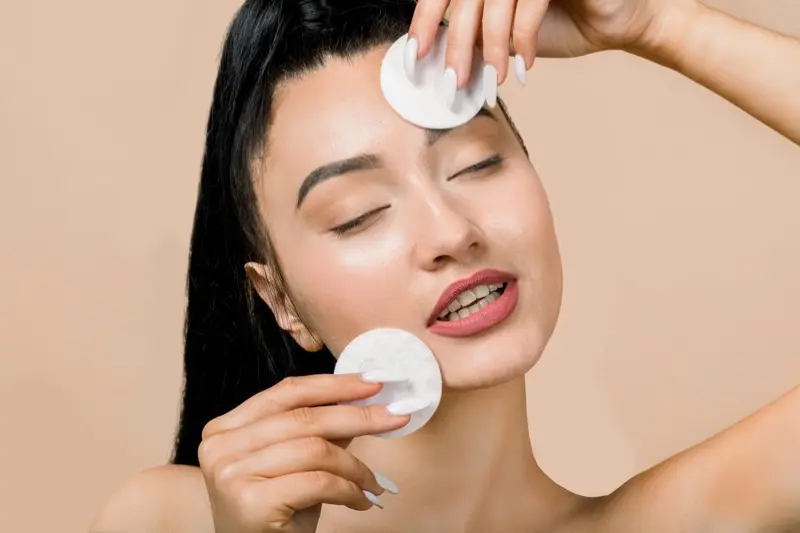
5 Best Cotton Rounds for Skincare That Won’t Leave Lint All Over Your Face
Home / Reviews / Cotton Rounds 5 Best Cotton Rounds for Skincare That Won’t Leave…
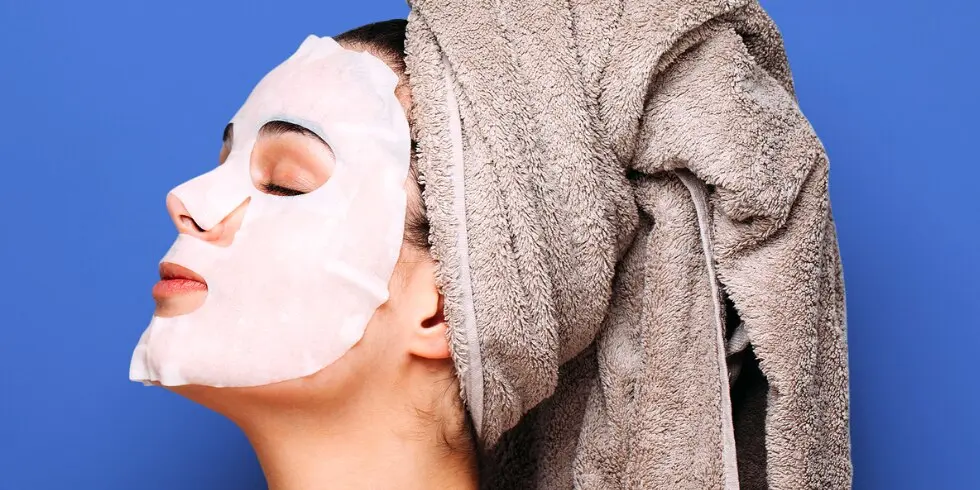
5 Best Sheet Masks That Aren’t Just Expensive Wet Paper Towels
Home / Reviews / Sheet Masks 5 Best Sheet Masks That Aren’t Just Expensive Wet…
Long-Form Analysis
The posts that take 20 minutes to read—and save you months of trial and error with the wrong products.
 Guide
Guide
The Complete Vitamin C Stability Guide
L-Ascorbic Acid, Ascorbyl Glucoside, Tetrahexyldecyl Ascorbate—each form has different pH requirements, penetration rates, and shelf stability. We tested 23 formulas over 6 months.
 Analysis
Retinol vs. Retinal: The Conversion Math
Retinaldehyde is one enzymatic step closer to retinoic acid. But does that mean 0.1% Retinal equals 0.5% Retinol? We break down the actual conversion efficiency and clinical equivalencies.
 Comparison
Mineral vs. Chemical SPF: The Full Breakdown
Zinc Oxide sits on skin. Avobenzone absorbs into it. One leaves a white cast, the other degrades in sunlight. Here’s when each type actually makes sense for your skin.