
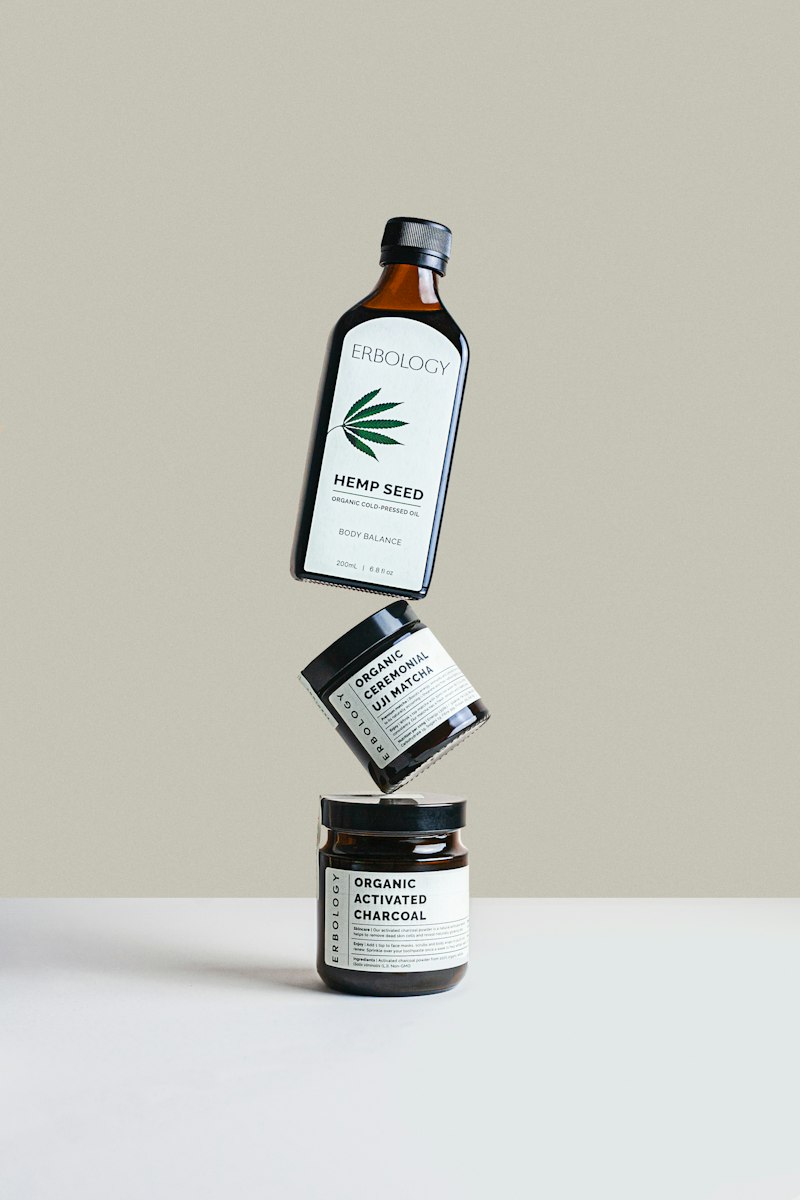
Most serums are
90% water.
We find the other 10%.
We decode INCI lists, cross-reference clinical studies, and pH-test formulas so you don’t accidentally destroy your moisture barrier with a trendy acid that doesn’t even penetrate.
A routine is chemistry.
Order matters.
Layering a pH 3.0 Vitamin C under a pH 7.0 moisturizer isn’t “mixing actives”—it’s neutralizing them. We organize products by function, not by what fits in a flat-lay photo.
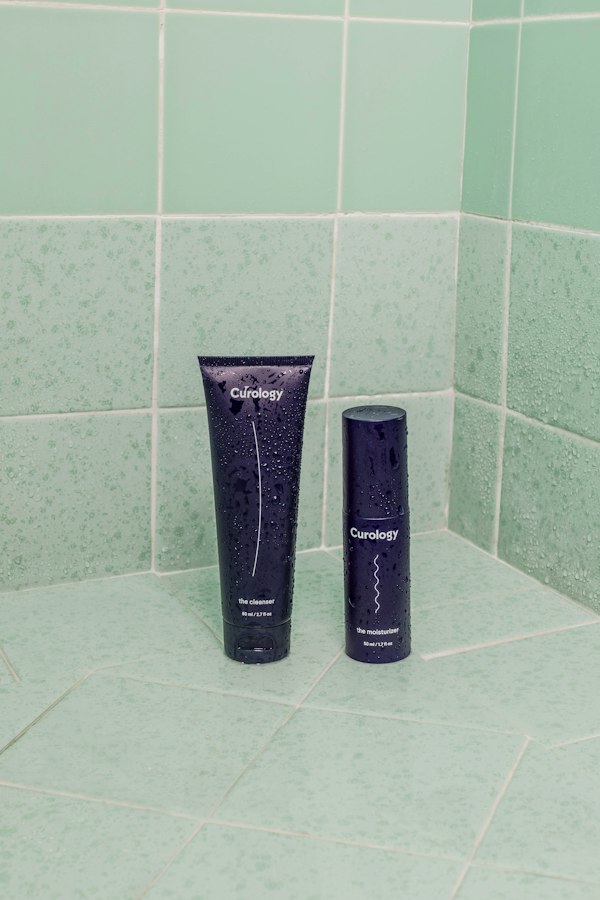
Cleanse
First cleanse removes sunscreen and oxidized sebum. Second cleanse treats. Skip the scrubs—chemical exfoliation works better without microtrauma.
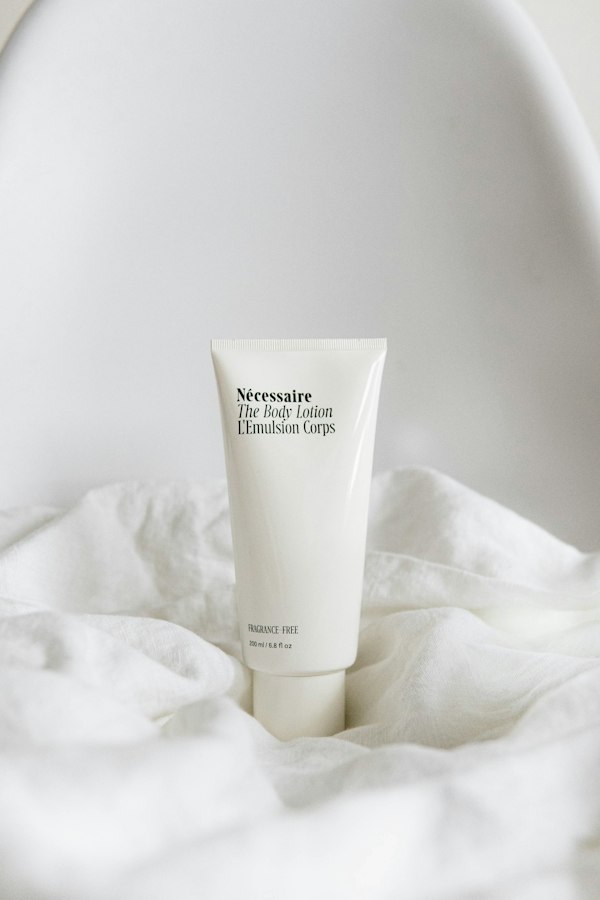
Treat
Actives go on clean, dry skin. L-Ascorbic Acid at pH 3.5. Retinoids buffered or direct. Know your percentages.
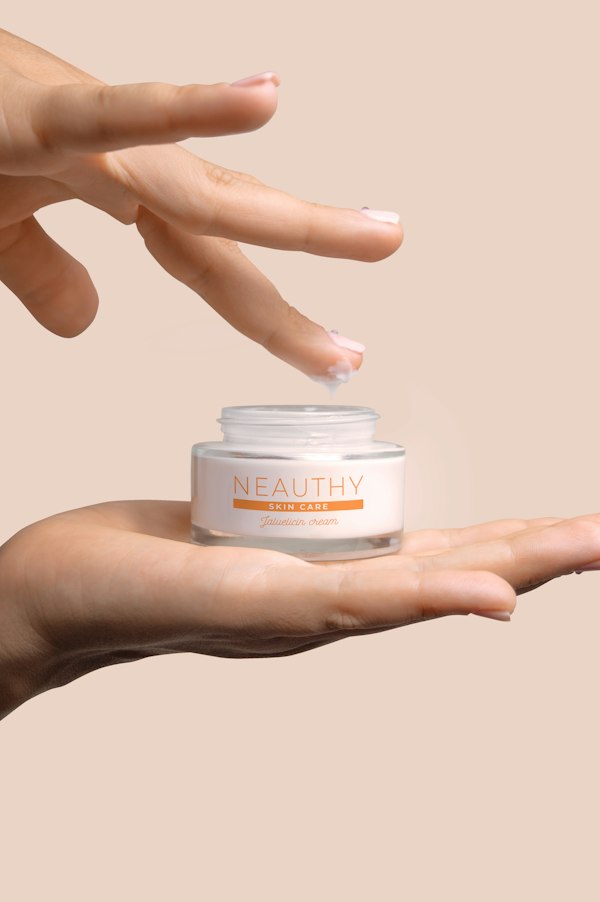
Moisturize
Humectants pull water. Emollients smooth. Occlusives seal. Most “hydrating” serums are just glycerin in water.

Protect
SPF 30 minimum. Reapply every 2 hours in direct sun. Your retinol is pointless without this step.
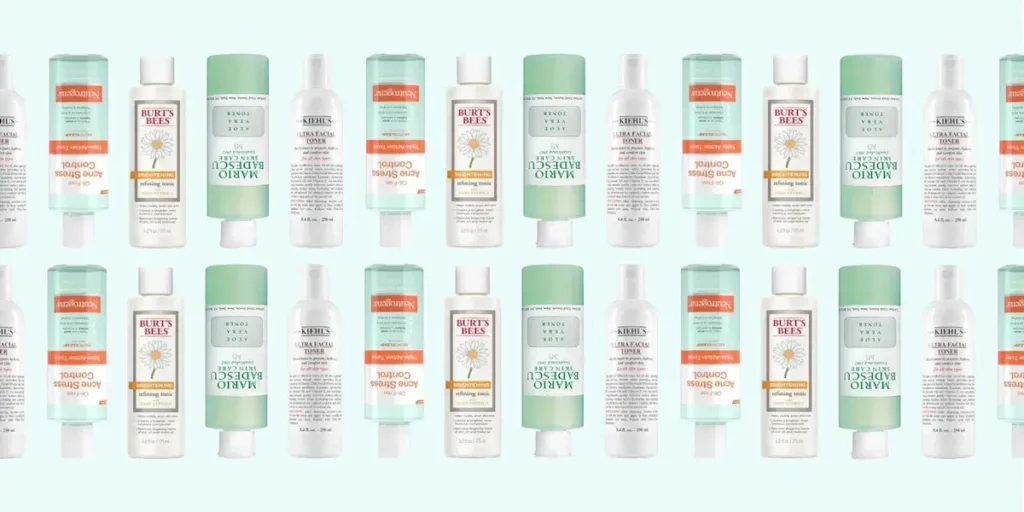
5 Best Facial Toners, Ranked by What They Actually Do to Your Skin’s pH
Home / Reviews / Toners 5 Best Facial Toners, Ranked by What They Actually Do…
5 Best Cotton Rounds for Skincare That Won’t Leave Lint All Over Your Face
Home / Reviews / Cotton Rounds 5 Best Cotton Rounds for Skincare That Won’t Leave…
5 Best Sheet Masks That Aren’t Just Expensive Wet Paper Towels
Home / Reviews / Sheet Masks 5 Best Sheet Masks That Aren’t Just Expensive Wet…
What We’re Actually Using
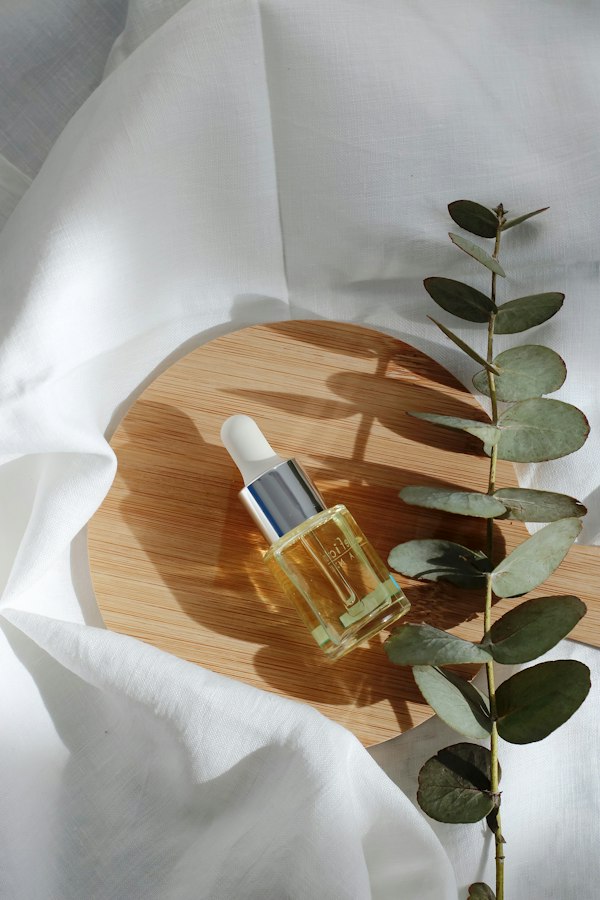 Editor’s Pick
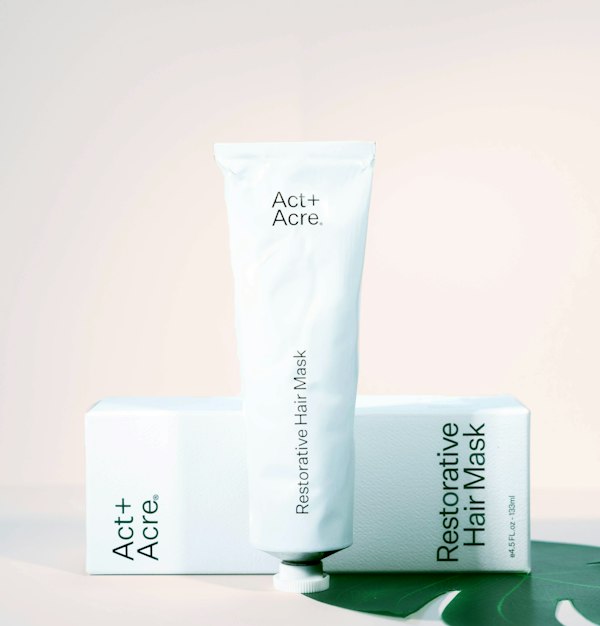
0.1% Retinaldehyde Treatment
Avène Retrinal
Editor’s Note: Retinaldehyde converts to retinoic acid in one step (vs. retinol’s two). Less irritation, faster results. We saw texture improvement at week 6. Fungal acne safe.
 Lab Verified
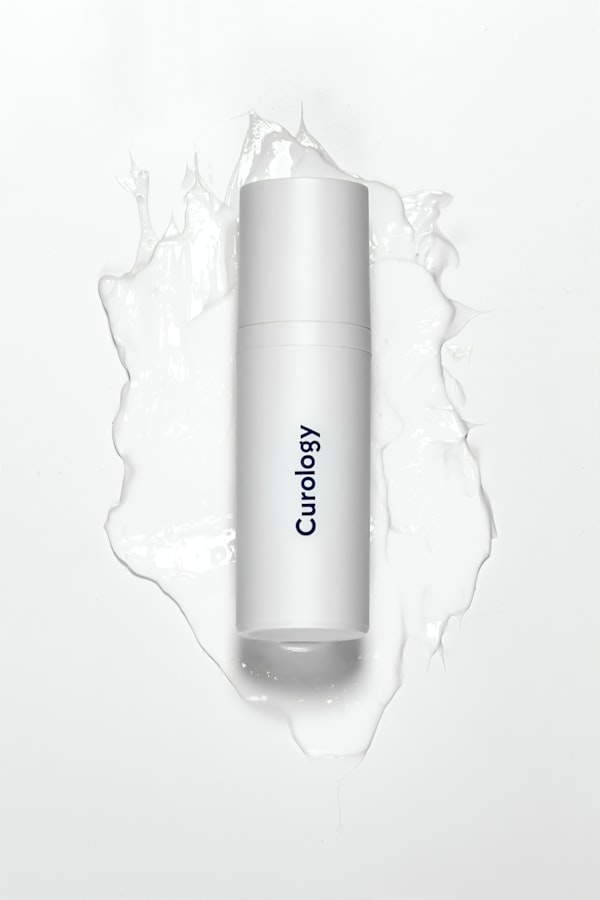
15% L-Ascorbic Acid Serum
Skinceuticals C E Ferulic
Editor’s Note: Yes, it’s expensive. Yes, it oxidizes in 3 months. But the pH 2.5 formulation and 1% Vitamin E synergy delivers photoprotection no dupe has matched in our testing.
 Barrier Repair
Ceramide Barrier Cream
Stratia Liquid Gold
Editor’s Note: Mimics skin’s natural lipid ratio: Ceramides, Cholesterol, Fatty Acids at 3:1:1. Sea Buckthorn gives it the orange color. Fixed our post-tretinoin flaking in 4 days.
Your sebum production isn’t a personality. It’s chemistry.
We organize recommendations by skin type because a 2% Salicylic Acid that controls your T-zone will annihilate someone with compromised barrier function. Context matters.
Oily
Overactive sebaceous glands. Enlarged pores. Shiny by noon. Needs oil control without stripping.
Dry
Low sebum production. Tight feeling. Flaky patches. Needs lipid repair and occlusion.
Sensitive
Reactive. Prone to flushing. Can’t tolerate actives. Needs minimal formulas and slow introduction.
Combination
Oily T-zone, dry cheeks. The most common type. Needs zone-specific treatment.